Pipes under the floor: crawl spaces and manufactured homes
Many Newberry County homes, from older houses in town to manufactured homes in the countryside, have their water lines under the floor, outside the heated space. On a windy 20°F night, that is where pipes freeze.
Last reviewed October 30, 2026 against the sources listed below. General information, not insurance or legal advice.
Pipe-freeze risk for Newberry right now
Pipe-freeze risk, the week ahead: Low
- Coldest hour: 50°F, Fri, Oct 30 at 8:00 AM ET
- Hours at or below 32°F: 0; at or below 28°F: 0; at or below 20°F: 0
No freezing temperatures in the hourly forecast. A good week to find your main shutoff, buy faucet covers and check pipe insulation before the first hard freeze.
Computed from the National Weather Service hourly forecast for Newberry, updated Fri, Oct 30 at 7:42 AM ET. Low spots, river bottoms and rural yards often run colder than the forecast point. Thresholds: 32°F freezing; 28°F the NWS hard-freeze level; 20°F the freeze-alert threshold for homes in southern states from University of Illinois research.
No active weather alerts for the area right now. Water and weather center
Why they freeze first
IBHS notes that homes in southern climates often have pipes outside the building insulation, in crawl spaces, attics and outside walls, and that cold air flowing across a pipe speeds up freezing. A crawl space with open foundation vents or a missing access door, or a manufactured home with gaps in its skirting, lets wind blow straight across the supply lines.
Crawl-space houses
- Close the foundation vents before a hard freeze, or fit vent covers. Reopen them when it warms up if your crawl space is designed to be vented.
- Close and seal the access door. A missing door is the single biggest cold-air leak in many crawl spaces.
- Insulate the pipes, especially near vents, the access door and where the main enters through the foundation.
- Look at the main where it comes up out of the ground. That section is often bare and in a draft.
- If a pipe has frozen in the same spot before, a listed heat cable on that section may be worth it. Heat cable safety.
Manufactured homes
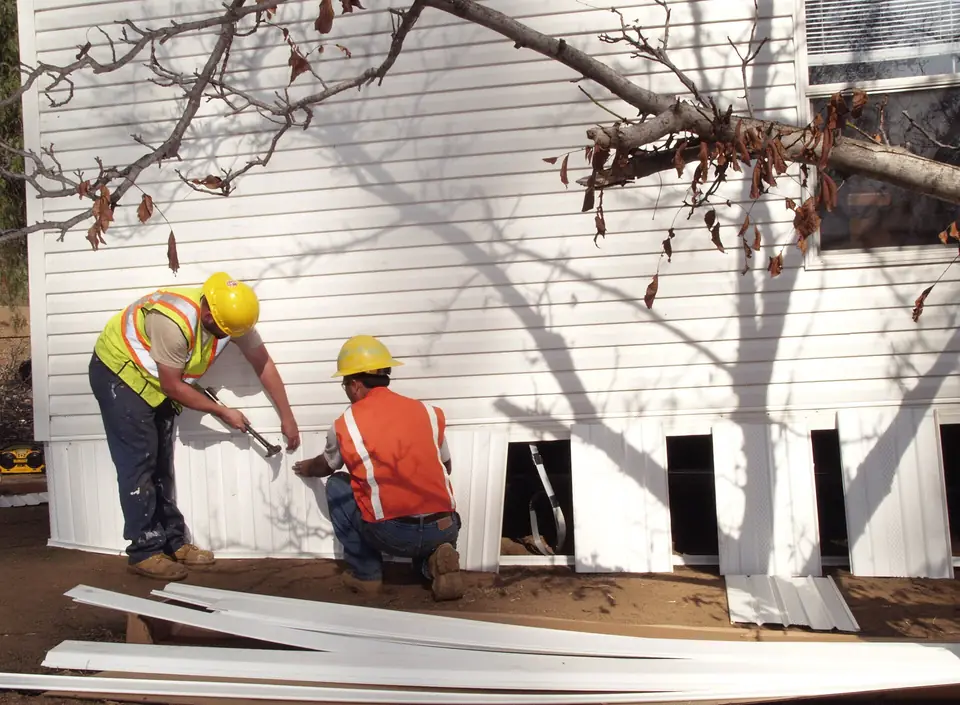
- Check the skirting all the way around. Replace missing panels and close gaps, especially on the sides facing north and west winds.
- Check the heat tape on the main supply riser where it comes out of the ground. Many manufactured homes have one, and it may be years old.
- The U.S. Consumer Product Safety Commission estimated about 3,300 home fires a year involving heat tapes, more than half of them in mobile homes and trailers, and urged owners to have heat tapes inspected before winter. Replace any with cracked insulation or bare wires.
- Check the belly wrap, the cover on the underside of the home. Tears let cold air reach the pipes inside.
The night of the freeze
- Keep the heat on and steady.
- Drip the faucets farthest from where the water enters the house.
- Never put an unattended space heater or an open flame under the house.
After the freeze
Look under the house for water or ice. A burst under a manufactured home can soak the belly insulation without showing inside for days. If a pipe burst.
Frequently asked questions
Should I close my crawl space vents in winter?
Close or cover them before a hard freeze to keep wind off the pipes. Follow your builder's advice about reopening them in warm weather.
Is old heat tape dangerous?
It can be. The CPSC linked heat tapes to about 3,300 home fires a year, more than half in mobile homes, and advised inspecting them before winter and replacing damaged ones.
Policies vary. Check your own policy and ask your insurer or agent about anything that affects your claim. Rules can change; this page reflects the sources below as of October 30, 2026. NewberrySCPlumbing.com is not a plumber, insurer, adjuster or law firm.
Find local help
Plumbers and well contractors serving Newberry County · Ask for help with a frozen or burst pipe · Who to call · Counties and towns